Gingivitis Treatment: How to Treat Gingivitis at Home
Table of Content
A family history of dental disease also increases your chance to have gingivitis. If your gums have receded, the dentist might suggest a gum graft. This is an in-office surgical procedure that applies new tissue to areas where your gums have receded. Rinse your mouth with mouthwash for 1 minute every day.
These properties can help to reduce pain and may speed up the healing of mouth sores. Baking soda is a natural mild abrasive that helps remove stains and plaque from teeth. It can also remineralize the enamel layer of the teeth and rebalance the acid levels in the mouth. And be sure to see your dental professional for regular appointments – not only to keep your teeth pearly white but to check on the health of your gums, too. Saltwater rinse is one of the common home remedies for the treatment of gingivitis. While home remedies work effectively against gingivitis, they should be used only under the guidance of your dentist.
Saltwater gargles
Due to its prophylactic and therapeutic benefits, arimedadi became a customary mouthwash in Ayurvedic medicine. Arimedadi oil can strengthen teeth and gums, reduce swelling, heal mouth sores, and relieve gum pain. You can often treat minor gum inflammation and gingivitis with good oral hygiene. But many people benefit from professional treatments that reduce inflammation, treat and control severe gingivitis, and improve gum health. Saltwater may also reduce the bacteria because of its disinfectant qualities.
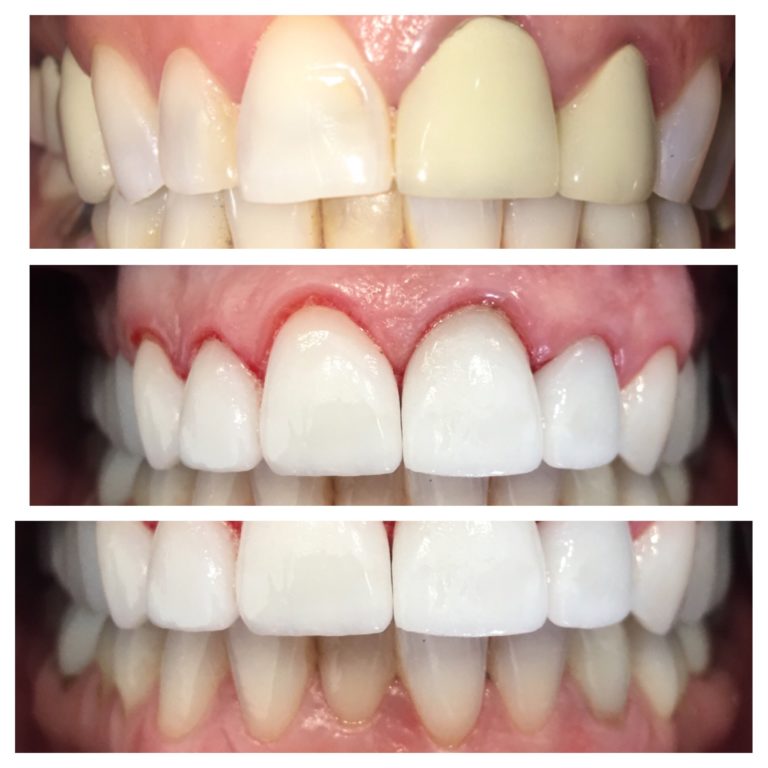
Flossing is also essential to maintaining good dental health. You should also ask your dentist if you are brushing and flossing correctly. An over-the-counter antimicrobial mouthrinse will help you treat infection and control bacterial growth in your mouth, too.
What are the signs and symptoms of gingivitis?
Brushing the teeth properly removes plaque and other substances that can form plaque. Cloves are also a strong anti-inflammatory, analgesic, antiseptic, and antioxidant remedy for gingivitis. You can simply chew two to three cloves, three times a day. Also, twice daily you can rub cloves on your gums, and leave them there for a few minutes before rinsing them out with warm water. Alternatively, add a few clove oil drops into a glass of warm water, and rinse your mouth with the solution two to three times per day. Regular brushing and dentist checkups are a good place to start.
Arimedadi oil pulling inhibits the growth of plaque and improves symptoms of gingivitis. Coconut oil is being used as a natural remedy for various purposes, even by our ancestors to the young generation now. Oil pulling treatment is one of the best ways to treat gingivitis. For this purpose, coconut oil is recommended by the experts. Oil pulling is a technique that involves swirling oil around the mouth for around 30 minutes. It helps you in fighting the collection of plaque that causes gingivitis.
You can prevent gingivitis by taking the following measures:
Mouthwash and 0.12% chlorhexidine for gingivitis control in patients undergoing orthodontic treatment with fixed appliances.” Journal of oral science. Most dentists recommend using an electric toothbrush or a regular toothbrush with a small head. Replace toothbrushes or toothbrush heads every 1 to 3 months. But many types of research have shown that gum disease is caused by the inflammatory reaction to bacteria under the gums, so gum disease technically may not be contagious.

A cleaning by your hygienist is the first big step in the treatment of gingivitis. Your hygienist can remove significantly more plaque build-up than you can remove on your own. Hygienists and dentists are also specifically trained to identify the early signs and symptoms of gingivitis to help you get ahead of any issues. The bottom line in treating and preventing gingivitis is that you have to eliminate as much plaque as you possibly can. Plaque, the sticky film containing bacteria that builds up on teeth and around the gum line, is the whole reason gingivitis happens.
Be sure to brush your teeth regularly and avoid sugary foods to prevent gingivitis from returning. Baking soda is a popular and simple home remedy in the treatment of gingivitis, and makes for a good alternative to toothpaste. Baking soda will reduce gum disease and tooth decay by neutralizing the acids in the mouth. It’s also a natural antiseptic that can help prevent infection. To make baking-soda toothpaste, mix a quarter-teaspoon of baking soda with some warm water.

Left untreated, gingivitis can develop into periodontitis. This more severe form of gum disease can cause your teeth to loosen or even fall out. That's why it's so important to address signs of gingivitis right away.
If left untreated, gingivitis can cause many other health problems as well. Read further to know about some natural remedies to treat gingivitis. Guava leaves are also known to have properties that help in treating gingivitis. These are being used by many people since a very long time. They have proved to be quite effective for oral problems.
Mix the juice of one lemon in a glass of warm water, and use it as a mouthwash after brushing your teeth. Using it twice daily can help soothe receding gums and bleeding. Coconut oil and arimedadi oil are beneficial for the treatment of gingivitis. Coconut oil contains lauric acid, which is known for its antimicrobial and anti-inflammatory properties.
Using an over-the-counter antibacterial mouthwash, antiseptic mouthwash, or anti-plaque mouth rinse can reduce plaque and get rid of bacteria between the teeth. It can take approximately 10 to 14 days to get rid of gum infection or gingivitis. Around 90% of adults in the U.S. suffer from some form of gingivitis. Areas with gingivitis are tender to the touch or may bleed during oral hygiene procedures. Another way to use lemon juice is by making a paste with salt. Apply this paste on your gum for 2-3 minutes then rinse with water.
Let your dentist know if you are experiencing irritation, sensitivity, or bleeding or irritable gums. These are signs that gingivitis is still present, and can also indicate other problems. Also, tell your dentist about any health issues that you have and what medications you’re taking.
People with risk factors for gingivitis, or a history of it, should get cleanings and checkups every 2 weeks to 3 months. Repeat this remedy 3-4 times a day in order to make this effective. Chewing 3-4 cloves daily can also help to avoid gum infection. Our trained team of editors and researchers validate articles for accuracy and comprehensiveness. Hold your toothbrush at a 45-degree angle and brush back and forth in short strokes.

Further, the tea tree is another mouthwash you can use to treat this issue. Put two or three drops of this oil into a clean cup of warm water and rinse your mouth. Saltwater is among the effective and oldest home remedies to treat gingivitis.


Comments
Post a Comment