7 Common House Spiders in California Pictures
Table Of Content
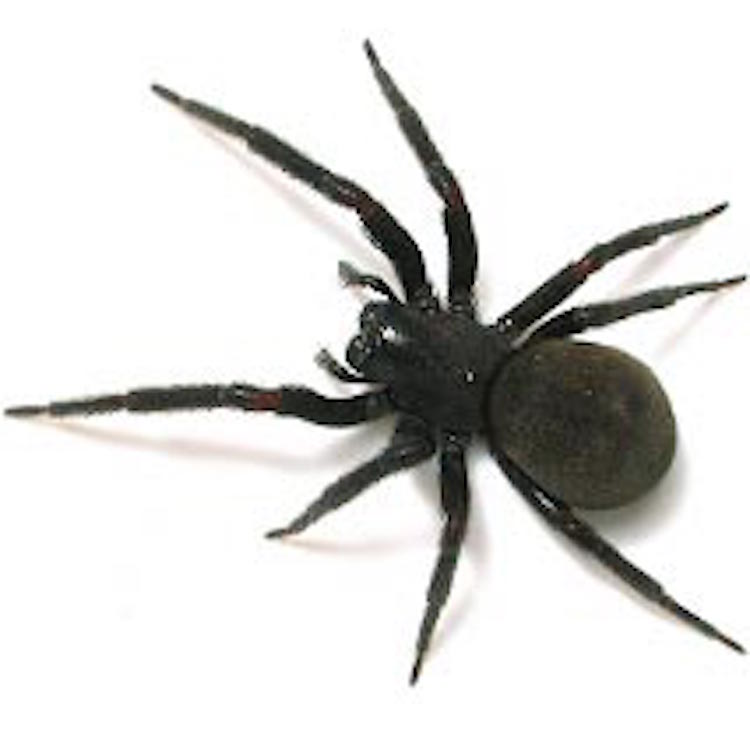
Fortunately, there are only two really dangerous spider species in the US. Black widow and brown recluse spider bites can be life-threatening. Big, brown and hairy-legged, it lives, eats and mates inside houses, garages and sheds. Although they look menacing, jumping spiders are not considered dangerous to humans. Instead, they are beneficial creatures because they feed on common garden pests like beetles, weevils, and leaf worms. The bold jumping spider is a small, compact spider with a stocky, hairy body, short legs, iridescent chelicerae, and large eyes.
House Spiders in California
Adult female crab spiders measure 0.23” to 0.39” (6 – 10 mm) long. The spider gets its name from its crab-like appearance and ability to walk sideways and forward. These spiders are most commonly found in gardens and wooded areas in California, Florida, and Texas.
UK spiders you're likely to find in your home
To complicate matters further, house spiders come in lots of shapes and sizes. The types in your house depend largely on where you live, although humans have helped many species spread around the planet, especially those from Europe. Still, deferring to spiders on a camping trip isn't the same as sharing our homes with them. Does a spider's evolutionary seniority really give her free rein over habitats built by and for humans?
Black and Yellow Garden Spider (Argiope aurantia)
Bigger females can also attract baby skinks inside their web by leaving fly remains hanging in it. Once its food dries out, the spider usually drops it to the floor in order to free space in its web, instead of destroying and rebuilding it or changing its location. The California titiotus spider is a small, brown spider with a huge leg span of up to 3” (75 mm). This makes the small brown spider easy to mistake for a desert recluse, brown recluse, or common house spider.
Common House Spiders in California (Pictures)
Alongside the other wonders of their biology, this strikingly long lifespan is perhaps another reason that these behemoths deserve our respect and admiration, more than our fear. But none of these beat goliath bird-eaters, which live in dense rainforest in northern South America. While these spiders have slightly shorter legs than their huntsman cousins, stretching to 11 inches — their weight gives them the edge. Even larger are Brazilian salmon pink bird-eaters (Lasiodora parahybana), whose legs can reach 11 inches (28 cm). While none are quite as enormous as those fictional beasts, the real world contains giant spiders galore. Just take giant huntsman spiders (Heteropoda maxima), which are the world's largest spiders by leg span.
Yellow Sac Spiders Pest Control
huntsman spider - Yahoo News Australia
huntsman spider.
Posted: Fri, 23 Feb 2024 08:00:00 GMT [source]
The eye-catching spiders are known for their large, circular webs reaching up to 3 ft. (1 m) in diameter. In addition, the webs are often decorated with a distinctive zigzag pattern, known as a stabilimentum, which is thought to help camouflage the spider. Actually seeing these spiders in unacceptable numbers is the most obvious sign of an infestation.
Giant House Spider bites are not serious and the giant house spiders’ venom is only harmful to individuals with specific allergies. Steatoda grossa, aka cupboard spider, has similarly expanded far beyond its native Europe, including North America and Australasia. Varying in length from 4 to 11 millimeters, this spider is known for messy webs that contribute to indoor cobweb buildup. It's also one of several Steatoda species known as a "false black widow" because people commonly confuse it with that highly venomous spider. Not only does it lack the black widow's red hourglass, however, but its bite is more like a bee sting.
What to do when giant spiders invade your home as numbers on the rise across UK - The Mirror
What to do when giant spiders invade your home as numbers on the rise across UK.
Posted: Sun, 20 Aug 2023 07:00:00 GMT [source]
And with different species come different levels of concern—which makes learning how to identify the critters important. Wolf spiders are furry brown spiders with distinctive black bands on their abdomens. Identifying features of wolf spiders are their eight eyes arranged in three rows, banded furry legs, and a flattened head. The medium-sized brown spiders grow 0.4” to 1.4” (10 – 35 mm) in size.
Sign up for the Live Science daily newsletter now

Though they can produce silk to make shelters called “pup tents” or to protect eggs, Jumping Spiders don’t build webs, and are most likely to be found in yards or barn areas. They’re some of the fastest-moving arthropods on Earth, famous for their agility. Hobo spiders can often be confused with the Domestic House spider, as they are very similar looking, with the same dark orange or brown coloration, and pale mark on their breastplate. If the infestation is outside your home, make sure to clear up any loose debris, wood, trash and other objects around the perimeter of your house. Both Harvestmen and Daddy Longlegs spider populations inside homes are generally quite small, and don’t require control measures.
If you have noticed dirty cobwebs in the corners of your walls, they could have been left by a common house spider. These dust-covered cobwebs can easily be vacuumed up or swept down without fear of coming in contact with a spider. Common house spiders choose web locations at random and will readily abandon their web to build one elsewhere if their chosen spot does not result in a meal. On a lighter note, only one of the 972 (and counting) types of spiders Crawford has helped to document in Washington state are dangerous to humans. Giant house spiders are one of the biggest spiders you can find in your home. These brown arachnids can have a leg span of up to 4 inches, so they are quite huge sometimes.
The giant house spider is the fastest spider in the world with recorded speeds of up to 1.7 ft/s (0.5 m/s). In the house, the yellow sac spider typically lives in the corners of walls and ceilings, where it stays undisturbed. However, they are usually in gardens, hiding under foliage, boards, leaf litter, and stones. Therefore, it’s always best to use gloves when working in the garden. Jumping spiders are identified by their black, tan, or gray bodies with orangish or white markings. They are also covered in dense hairs and have thick, short legs, giving them a scary appearance.
However, when the weather takes a turn, you might find yourself spotting the odd eight-legged visitor here and there. Goliath bird-eaters are more likely to scurry away from a human than attack. And while there's nothing nice about receiving a nip from their needle-like fangs — an experience that's been compared to a wasp sting — their venom isn't potent enough to harm us.
Of the three venomous species of spiders in California, the western black widow is the species you are most likely to encounter. This black spider lives in proximity to humans and hides in dark corners, under garden debris, or in clothing. Although a spider bite rarely kills, it can cause severe pain and discomfort. The black house spider is a robust spider with a dark, charcoal-gray abdomen and white speckles. In addition, the spider has a characteristic velvety blackish-gray body and furry legs. Its large, egg-shaped abdomen and color give it the appearance of a tarantula.


Comments
Post a Comment